Genuine_comfort_stretches_from_relaxation_to_excitement_through_kazeeno
- Genuine comfort stretches from relaxation to excitement through kazeeno
- The Psychology of Comfort and Excitement
- The Role of Dopamine in Seeking New Experiences
- Cultivating a Lifestyle of Balanced Experiences
- Small Changes, Significant Impact
- The Role of Environment in Fostering Well-being
- Designing Spaces for Both Relaxation and Energy
- Exploring the Interplay of Comfort and Excitement through Travel
- The Future of Well-being: Integrating Technology and Mindfulness
Genuine comfort stretches from relaxation to excitement through kazeeno
The pursuit of comfort is a deeply human endeavor, woven into the fabric of our daily lives. It’s a feeling we actively seek, from the warmth of a cozy home to the thrilling excitement of a well-planned adventure. Genuine relaxation allows us to recharge and prepare for challenges, while engaging experiences stimulate our minds and enrich our spirits. It’s a spectrum, and finding the balance between these two poles is key to a fulfilling existence. This is where the concept of kazeeno enters, representing a holistic approach to well-being that acknowledges both the need for tranquility and the desire for stimulating novelty.
Modern life, with its constant demands and rapid pace, often disrupts this balance. We become overwhelmed by stress, disconnected from our inner selves, and starved for authentic experiences. The ability to find moments of genuine peace, and to intentionally cultivate exciting diversions, is more crucial than ever before. This search isn’t merely about escaping reality, but about enriching it, finding new perspectives, and fostering a deeper connection with ourselves and the world around us. It’s about embracing a lifestyle that prioritizes both restorative calm and invigorating stimulation – a lifestyle easily enhanced through intentional choices.
The Psychology of Comfort and Excitement
The human brain is wired to respond to both comforting and exciting stimuli. Comfort, often associated with feelings of safety and security, triggers the release of endorphins, natural mood boosters that promote relaxation and reduce stress. This is why we gravitate towards familiar routines, cozy environments, and cherished relationships. These things provide a sense of predictability and control, which our brains interpret as positive. However, prolonged exposure to comfort can lead to stagnation and boredom. Our brains also crave novelty and challenge, which trigger the release of dopamine, a neurotransmitter associated with reward, motivation, and pleasure. The pursuit of excitement keeps us engaged, curious, and adaptable. Finding the ideal intersection of these two drives allows for optimal psychological well-being.
The Role of Dopamine in Seeking New Experiences
Dopamine isn't simply about pleasure; it's about anticipation and the motivation to seek rewards. When we encounter something new or challenging, our brains release dopamine, signaling us to pay attention and learn. This is why activities like learning a new skill, exploring a new place, or engaging in a stimulating conversation can be so rewarding. The anticipation of a positive outcome is often more powerful than the outcome itself, driving us to continue exploring and growing. This neurological process is fundamental to human progress and personal development. Without the drive for novelty, we’d remain stuck in predictable patterns, missing out on opportunities for growth and self-discovery.
| Comforting Activities | Exciting Activities |
|---|---|
| Reading a book | Traveling to a new country |
| Spending time with loved ones | Trying a new sport |
| Taking a warm bath | Attending a live concert |
| Listening to calming music | Taking on a challenging project |
Understanding these neurochemical processes can help us consciously design our lives to incorporate both comforting and exciting experiences. Rather than viewing them as opposing forces, we can see them as complementary elements of a balanced and fulfilling existence. It's about finding the right mix that nourishes both our need for security and our desire for growth.
Cultivating a Lifestyle of Balanced Experiences
Creating a lifestyle that incorporates both comfort and excitement requires intentionality and mindful planning. It’s not about randomly seeking out thrills or passively accepting a dull routine, but about actively curating a life that reflects your values and supports your well-being. Start by identifying what truly brings you comfort – what activities or environments make you feel safe, relaxed, and rejuvenated? Then, explore what genuinely excites you – what sparks your curiosity, challenges your abilities, and fills you with a sense of purpose? This self-awareness is the first step towards creating a more balanced and fulfilling life. It’s a process of continuous discovery and refinement, adapting to changing needs and interests.
Small Changes, Significant Impact
You don’t need to drastically overhaul your life to incorporate more balance. Small changes can often have a significant impact. Introduce a new hobby, take a different route to work, try a new cuisine, or simply spend a few minutes each day practicing mindfulness. These small acts of novelty can help break up routine and stimulate your brain. Similarly, incorporating small acts of self-care, such as taking a relaxing bath or reading a good book, can help reduce stress and promote relaxation. The key is to be intentional and consistent, gradually weaving these practices into your daily life. These seemingly minor adjustments build up over time, leading to profound improvements in overall well-being.
- Prioritize self-care activities that promote relaxation and reduce stress.
- Seek out new experiences that challenge your mind and body.
- Cultivate meaningful relationships that provide support and connection.
- Practice mindfulness to increase awareness and appreciation of the present moment.
- Regularly evaluate your lifestyle and make adjustments as needed.
The ability to integrate these elements isn't about scheduling every moment; it's about creating space for both deliberate relaxation and spontaneous adventure. It’s about recognizing that sometimes the most rewarding experiences are the ones we don't plan.
The Role of Environment in Fostering Well-being
Our surroundings have a profound impact on our mood and well-being. A cluttered, chaotic environment can contribute to stress and anxiety, while a clean, organized space can promote calmness and clarity. Similarly, exposure to nature has been shown to have numerous benefits, including reduced stress levels, improved mood, and enhanced cognitive function. Creating a physical environment that supports both comfort and stimulation is essential for fostering a balanced lifestyle. This might involve creating a cozy reading nook, designing a home office that inspires creativity, or simply spending more time outdoors. It’s about intentionally shaping your surroundings to reflect your values and support your well-being.
Designing Spaces for Both Relaxation and Energy
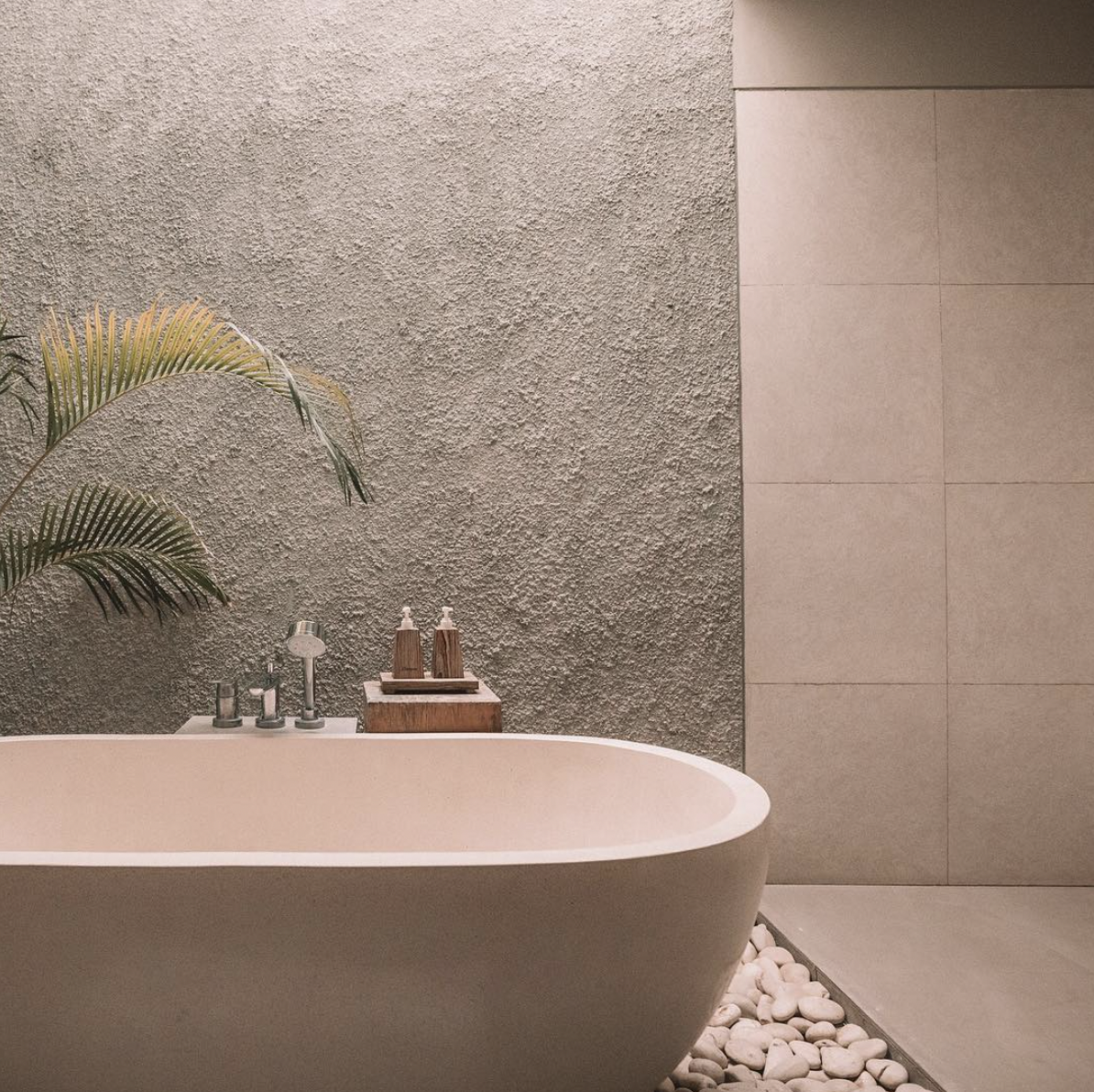
Consider the different activities you engage in and design spaces accordingly. A bedroom should be a sanctuary for rest and relaxation, with calming colors, comfortable bedding, and minimal distractions. A living room might be designed for socializing and entertainment, with comfortable seating, inviting lighting, and stimulating artwork. A home office should be a space that fosters focus and productivity, with an ergonomic setup, ample lighting, and a clutter-free workspace. The goal is to create environments that support your specific needs and activities, allowing you to seamlessly transition between states of relaxation and engagement. Thoughtful design can dramatically enhance your quality of life.
- Identify your core values and design spaces that reflect them.
- Prioritize comfort and functionality in your design choices.
- Incorporate natural elements to promote relaxation and well-being.
- Minimize distractions to enhance focus and productivity.
- Regularly declutter and organize to maintain a sense of calm.
By thoughtfully curating our physical environments, we can create spaces that nourish our minds, bodies, and spirits. This intentional approach extends to everything from choosing colors and textures to arranging furniture and incorporating plants.
Exploring the Interplay of Comfort and Excitement through Travel
Travel offers a unique opportunity to experience the interplay of comfort and excitement. Stepping outside of your familiar surroundings and immersing yourself in a new culture can be both exhilarating and challenging. The thrill of exploring a new place is often tempered by the desire for comfortable accommodations and familiar amenities. Successful travel involves finding that sweet spot – balancing the desire for adventure with the need for rest and rejuvenation. This could involve choosing a mix of adventurous activities and relaxing downtime, staying in accommodations that offer both comfort and convenience, and being open to new experiences while still respecting your own boundaries. Travel at its best isn’t simply about seeing new places; it’s about broadening your perspective and enriching your life.
The Future of Well-being: Integrating Technology and Mindfulness
As technology continues to evolve, it's becoming increasingly important to find ways to integrate it into our lives in a mindful and balanced way. Technology can be a powerful tool for enhancing both comfort and excitement, but it can also be a source of stress and distraction. The key is to use technology intentionally, rather than allowing it to control us. This might involve using apps to track our sleep and activity levels, utilizing virtual reality to explore new worlds, or simply setting boundaries around our screen time. The future of well-being lies in finding ways to harness the power of technology while remaining grounded in the present moment. It's about leveraging technology to create a life that is both stimulating and fulfilling.
Ultimately, the pursuit of a balanced life is a journey, not a destination. It requires ongoing self-reflection, experimentation, and adaptation. By consciously cultivating both comfort and excitement, and by intentionally designing our environments and routines to support our well-being, we can unlock our full potential and live lives that are both meaningful and joyful. The core principle lies in acknowledging that genuine flourishing arises not from chasing one extreme over the other, but from harmonizing the essential elements of rest and stimulation. This isn’t simply a theoretical concept, it’s a practical guide for daily living, one that recognizes the inherent human need to both retreat and explore.
Consider the example of a local artist who consciously blends periods of introspective creation with active engagement in the art community. They might spend hours in their studio, lost in the flow of painting, followed by evenings attending gallery openings and connecting with fellow creatives. This rhythm allows them to nurture both their inner world and their external connections, fostering a sense of purpose and belonging. It’s a small-scale demonstration of a principle that applies universally: a dynamic balance between individual pursuits and communal participation leads to a richer, more vibrant life. The intentional integration of both restful and stimulating activities is the key.