Innovative designs for modern living with rollero and curated home aesthetics
- Innovative designs for modern living with rollero and curated home aesthetics
- Maximizing Space with Versatile Solutions
- The Role of Adjustable Components
- Creating Cohesive Home Aesthetics
- The Importance of Texture and Material
- The Power of Modular Furniture Systems
- Benefits of a Modular Approach
- Integrating Technology for Enhanced Living
- The Future of Home Design and Adaptability
Innovative designs for modern living with rollero and curated home aesthetics
The pursuit of comfortable and aesthetically pleasing living spaces is a constant endeavor for many. Increasingly, individuals are seeking innovative solutions that seamlessly integrate functionality with style. This is where the concept of adaptable, modular design comes into play, and where products like rollero offer a versatile approach to interior organization and visual enhancement. Modern living demands flexibility, and these solutions address this need by providing customizable options for a variety of spaces and uses.
Contemporary design trends emphasize minimalism, clean lines, and the efficient use of space. Consumers are gravitating towards items that aren't just beautiful but also serve a practical purpose, reducing clutter and promoting a sense of calm. The desire for personalized environments significantly impacts purchasing decisions, with people actively curating their homes to reflect their individual tastes and lifestyles. Adaptability is key; a single piece should ideally serve multiple functions, or be easily reconfigured to meet changing needs. This philosophy drives the design and appeal of many modern home furnishings and architectural elements.
Maximizing Space with Versatile Solutions
One of the central challenges in modern living is maximizing available space, particularly in urban environments where square footage is often at a premium. Solutions that offer dual functionality or the ability to neatly store items away are highly valued. Consider the growing popularity of storage ottomans, sofa beds, and wall-mounted desks. These items demonstrate a commitment to efficient design, making the most of every inch. Clever storage solutions, such as shelving units that can be adjusted to accommodate different sized objects, or drawers that can be easily accessed, are essential components of a functional home. The key is to minimize visual clutter while maintaining easy access to essential belongings.
The Role of Adjustable Components
Within the broader category of space-saving solutions, adjustable components play a significant role. These allow homeowners to customize their living spaces to precisely fit their needs, rather than being constrained by fixed designs. Think about adjustable shelving systems that can be reconfigured as family needs change, or tables that expand or collapse to accommodate different numbers of guests. The ability to adapt a space over time not only saves money but also reduces waste, as it avoids the need to constantly replace furniture. Such design principles are increasingly aligned with sustainable living practices.
| Feature | Benefit |
|---|---|
| Adjustable Height | Accommodates different users and uses. |
| Modular Design | Allows for customization and expansion. |
| Foldable/Collapsible | Saves space when not in use. |
| Multi-functional | Combines several uses into one item. |
The implementation of smart technology further enhances the effectiveness of these solutions. Automated blinds, adjustable lighting, and temperature control systems can all contribute to a more comfortable and efficient living environment. The integration of technology allows for seamless control of various aspects of the home, creating a space that responds dynamically to the needs of its occupants. This level of customization is becoming increasingly attainable, thanks to advancements in smart home technology and a growing demand for personalized living experiences.
Creating Cohesive Home Aesthetics
Beyond functionality, the aesthetic appeal of home furnishings is paramount. A cohesive design scheme can transform a house into a home, creating a space that is both visually pleasing and emotionally comforting. Achieving this requires careful consideration of color palettes, materials, textures, and overall style. The goal is to create a harmonious environment where all elements work together to enhance the overall ambiance. Consistency in design choices is crucial; avoid jarring contrasts or mismatched styles that can detract from the overall effect. Paying attention to details, such as coordinating artwork, accessories, and lighting, can significantly elevate the aesthetic quality of a space.
The Importance of Texture and Material
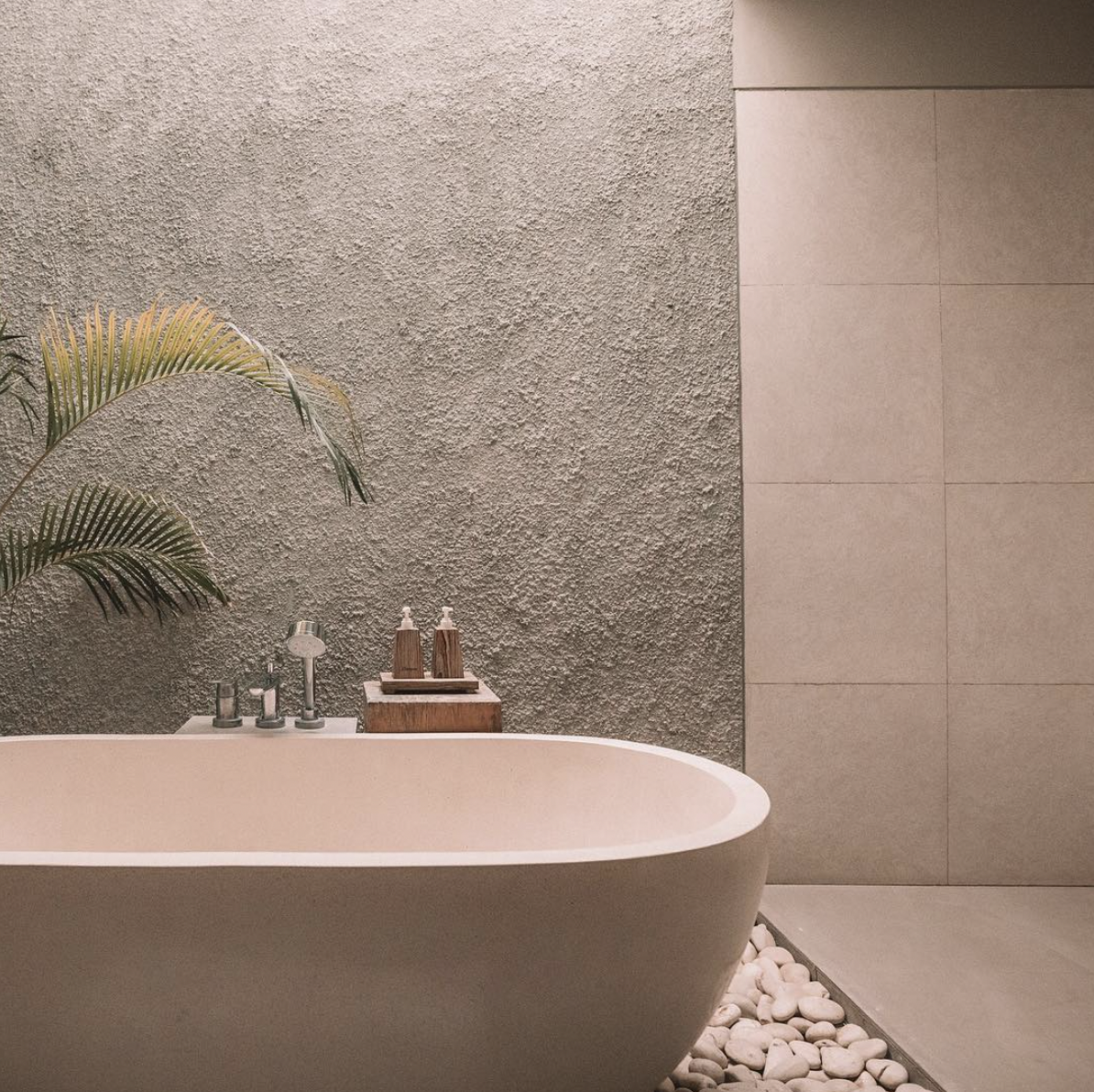
Texture and material play a vital role in creating visual interest and depth within a home. Layering different textures – such as soft rugs, woven baskets, and smooth ceramics – can add warmth and dimension to a room. The choice of materials also impacts the overall aesthetic. Natural materials, such as wood, stone, and cotton, evoke a sense of organic warmth and tranquility, while more contemporary materials, such as metal, glass, and concrete, can create a sleek and modern look. Consider the interplay between different materials and how they complement each other to create a balanced and inviting space.
- Color coordination is essential for a cohesive look.
- Natural light enhances the beauty of textures.
- Artwork and accessories add personality.
- Consider the overall style of your home.
The careful selection and arrangement of these elements transform a mere space into an expressive and comfortable environment. This focused approach to aesthetic curation brings a heightened sense of wellbeing to the home and to its inhabitants. It’s a method to build an environment that’s both supportive and inspiring.
The Power of Modular Furniture Systems
Modular furniture systems represent a significant advancement in home design, offering unparalleled flexibility and customization. These systems are typically comprised of individual components that can be arranged and reconfigured in endless combinations, allowing homeowners to create spaces that adapt to their changing needs. Whether it's a modular sofa that can be easily expanded to accommodate guests, or a shelving unit that can be customized to fit any space, modular furniture provides a practical and stylish solution for modern living. The ability to add, remove, or rearrange components allows for continuous evolution of the space, without the need for costly replacements.
Benefits of a Modular Approach
The advantages of adopting a modular approach to furniture extend beyond mere flexibility. These systems often promote sustainability, as they are designed to be durable and long-lasting, reducing the need for frequent replacements. Furthermore, modular furniture can be easily transported and reassembled, making it ideal for those who move frequently. This portability is a significant advantage in today’s increasingly mobile society. The initial investment in a high-quality modular system can prove to be more cost-effective in the long run, as it eliminates the need to repeatedly purchase new furniture items.
- Plan your layout carefully before purchasing.
- Consider the dimensions of your space.
- Choose high-quality materials for durability.
- Mix and match components to create a unique look.
This approach extends beyond the living room; modular systems are also available for kitchens, bedrooms, and even home offices, showcasing their versatility and wide-ranging appeal. The adaptability ensures a long life cycle for the furniture, and contributes to a more responsible approach to home furnishing.
Integrating Technology for Enhanced Living
The integration of technology is profoundly reshaping the way we interact with our homes. From smart lighting and temperature control systems to voice-activated assistants and automated security features, technology is enhancing comfort, convenience, and efficiency. Smart home devices can be controlled remotely via smartphones or tablets, allowing homeowners to manage their living spaces from anywhere in the world. The ability to adjust lighting, temperature, and security settings remotely not only provides convenience but also improves energy efficiency and enhances peace of mind. The advancements in AI are making these systems increasingly intuitive and user-friendly, capable of learning individual preferences and automating tasks accordingly.
The Future of Home Design and Adaptability
The future of home design is undoubtedly one of increasing adaptability and personalization. We can anticipate a continued emphasis on modular furniture systems, smart home technology, and sustainable materials. The demand for spaces that can be easily reconfigured to meet changing needs will drive innovation in the design industry. Furthermore, the integration of virtual and augmented reality technologies will allow homeowners to visualize and experiment with different design options before making any permanent changes. The trend towards biophilic design – incorporating natural elements into indoor spaces – will also continue to gain momentum, creating environments that promote wellbeing and connection with nature. The successful integration of these elements will create homes that are not only beautiful and functional but also responsive to the individual needs and lifestyles of their occupants. The thoughtful application of design principles, coupled with innovative technologies, promises a future where homes are more adaptable, sustainable and inspiring than ever before.
Considering the trend toward smaller living spaces, especially in urban centers, the emphasis on multi-functional items will only increase. Imagine walls that transform into workspaces with a simple gesture, or furniture that morphs to suit different activities. The idea of a “living” home – one that anticipates and responds to your needs – moves from the realm of science fiction into everyday reality. This evolution demands a shift in perspective, moving beyond simply furnishing a space to actively curating an experience.